Uncover the Life-Changing Advantages of Hearing Aids for Seniors
Improve Your Communication Abilities with Hearing Aids


Hearing loss can create an invisible barrier that significantly impacts the elderly’s ability to communicate with family, friends, and their broader community. The role of hearing aids in supporting aging populations becomes clear through their remarkable ability to enhance communication. For many seniors, joining in conversations can become increasingly intimidating, often resulting in feelings of frustration and isolation. Hearing aids amplify sounds and clarify speech, empowering elderly individuals to engage fully in discussions, whether during family gatherings or casual meet-ups with friends. This enhancement of communication transcends mere hearing; it’s about reconnecting with loved ones and actively participating in life.
The benefits are profound; research shows that seniors who utilise hearing aids report significantly improved relationships with family members. This enhanced engagement fosters deeper emotional connections and reduces the risk of developing mental health issues linked to social isolation. When seniors can hear and respond accurately in conversations, they feel appreciated and included, enriching their overall quality of life. Improved relationships, facilitated by enhanced communication, contribute to a more fulfilling social existence, underscoring the essential role hearing aids play in promoting emotional wellness.
Moreover, effective communication is vital for managing healthcare appointments more efficiently. When seniors can hear their healthcare providers clearly, they are more likely to understand their health conditions, treatment options, and necessary follow-up actions. This understanding empowers them to take a more active role in their healthcare journey, encouraging a proactive approach to aging gracefully and healthily. Thus, the role of hearing aids extends far beyond simple amplification; they are crucial tools for enhancing the overall health and well-being of the elderly.
Enhance Your Social Involvement with Hearing Aids
Social interaction is a fundamental aspect of mental and emotional well-being, particularly for the elderly. The introduction of hearing aids significantly boosts social engagement by enabling seniors to hear conversations, music, and ambient sounds across various settings, including cafes and community centres. This auditory clarity not only encourages increased participation in social activities but also contributes to a vibrant and active lifestyle, which is essential for maintaining mental health.
Seniors experiencing hearing loss often withdraw from social situations, intensifying feelings of loneliness and depression. However, with the support of hearing devices, many older adults discover renewed opportunities to connect, share experiences, and enjoy communal activities. Whether participating in group exercises, attending religious services, or simply enjoying a family dinner, hearing aids facilitate meaningful interactions that effectively combat social withdrawal. Engaging in these social environments fosters a sense of belonging and community, which is vital for emotional health.
Cultural contexts also significantly influence social interaction. In many cultures worldwide, gatherings often revolve around storytelling and music, highlighting the importance of auditory connections. The ability to participate in these cultural practices can greatly enrich an elderly person’s sense of identity and belonging, further enhancing the benefits of improved hearing through devices. Therefore, hearing aids not only improve auditory clarity but also strengthen cultural ties and social engagement.
Improve Your Safety Awareness with Hearing Aids
As individuals age, ensuring safety becomes increasingly crucial, particularly since hearing loss can diminish awareness of the surrounding environment. Hearing aids play a vital role in enhancing situational awareness, enabling seniors to respond effectively to critical sounds such as alarms, traffic, or even the voices of caregivers. This heightened awareness significantly reduces the risk of accidents and injuries, creating a safer living environment for older adults.
In urban settings, the ability to hear approaching vehicles or alerts from public transport systems is essential. For seniors, being able to navigate their neighbourhoods safely is key to maintaining independence and confidence while moving about. Additionally, many modern hearing aids incorporate features like directional microphones that help users focus on specific sounds in noisy environments, further enhancing their safety and awareness.
Furthermore, being cognizant of one’s surroundings is crucial during emergencies. In situations requiring immediate attention, such as hearing a fire alarm or someone calling for help, having a hearing aid can prevent seniors from becoming vulnerable. This aspect of <a href="https://www.earwaxremoval.net/hearing-aids-in-dementia-care-boosting-cognitive-health/">how hearing aids support aging populations</a> highlights their role in promoting independence and overall well-being, ensuring that seniors can live confidently and safely.
Support Your Cognitive Health with Hearing Aids

Cognitive decline presents a significant challenge for aging populations, and emerging research increasingly supports the notion that hearing aids can play a pivotal role in preserving cognitive health. Engaging in conversations and social interactions provides essential mental stimulation necessary for cognitive vitality. By improving auditory input, hearing aids assist seniors in maintaining mental engagement, leading to enhanced cognitive function and overall health.
Studies indicate that seniors who use hearing aids exhibit slower rates of cognitive decline compared to those who do not. Actively participating in discussions and understanding surrounding sounds keeps the brain engaged, thus reducing the risk of conditions such as dementia. This connection underscores the substantial impact of auditory health on mental wellness, positioning hearing aids as essential tools in the battle against cognitive deterioration and decline.
Moreover, the act of actively listening and processing information can enhance memory retention and critical thinking skills. For seniors, this means not only remaining socially connected but also maintaining mental agility and sharpness. Cognitive health is closely tied to overall well-being, making the adoption of hearing aids a proactive measure for preserving a healthy mind as one ages. This highlights the multifaceted benefits of hearing aids in supporting the elderly population.
Investigate the Latest Technological Innovations in Hearing Aids
Experience Superior Sound Quality with Digital Signal Processing
The evolution of hearing aids has been nothing short of transformative, largely due to advancements in digital signal processing (DSP) technology. Unlike traditional analog devices, modern hearing aids utilise sophisticated DSP to significantly enhance sound quality. This innovative technology allows for real-time adaptations to various listening environments, enabling seniors to hear better in diverse settings, from bustling restaurants to tranquil living rooms.
DSP technology analyses incoming sound waves and customises amplification to enhance specific frequencies that may pose challenges for the user. This means seniors can enjoy richer and more immersive sound experiences, whether they are listening to music, attending a concert, or engaging in lively discussions. The clarity provided by DSP can dramatically transform how seniors interact with their environments, leading to a more enriching auditory experience.
Additionally, many modern hearing aids are equipped with automatic adjustments, adapting seamlessly to varying noise levels without requiring manual intervention. For instance, transitioning from a peaceful home environment to a lively social event can occur smoothly, as the hearing aids intelligently modify settings to optimise the listening experience. This feature alleviates the cognitive load on users, allowing them to focus on enjoying the moment rather than adjusting complicated settings.
Connect Effortlessly with Wireless Technology
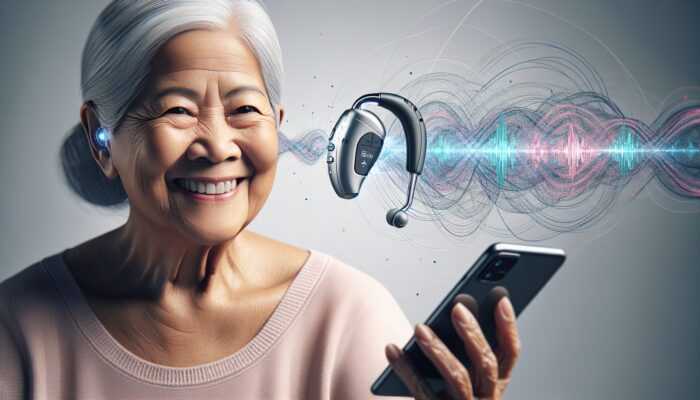
The integration of wireless technology in hearing aids represents a significant breakthrough that greatly enhances the user experience. Many modern devices now come with Bluetooth capabilities, allowing seniors to connect their hearing aids directly to smartphones, televisions, and other audio devices. This connectivity streamlines communication and entertainment options, creating a more inclusive and enjoyable environment for users.
For example, seniors can take phone calls directly through their hearing aids, eliminating the need to hold the phone to their ear. This convenience not only improves clarity but also reinforces independence, allowing users to stay engaged without the hassle of traditional phone usage. Streaming music, podcasts, and other audio content directly into their hearing aids enhances leisure activities, making it easier for seniors to enjoy their favourite media without straining to hear.
Moreover, this wireless connectivity opens up opportunities for remote support and adjustments, allowing audiologists to fine-tune settings without requiring in-person visits. Users benefit from personalised adjustments based on their needs, ensuring a customised hearing experience that adapts to their evolving lifestyles. The interconnectedness of technology significantly enhances the overall quality of life, showcasing yet another way how hearing aids support aging populations.
Enjoy the Convenience of Rechargeable Batteries
Battery life can often be a concern for hearing aid users, particularly for seniors who may struggle with frequent replacements. Recent advancements have introduced rechargeable battery technology, providing a game-changing solution that simplifies usage. Modern hearing aids equipped with rechargeable batteries eliminate the hassle of changing small batteries and offer extended usage time, which is especially critical for active seniors.
Rechargeable hearing aids typically last an entire day on a single charge, with many models featuring straightforward overnight charging solutions. Users simply place their devices in a charging station, ensuring they wake up to fully powered aids each morning. This convenience promotes consistent use, as seniors no longer have to worry about carrying spare batteries or fiddling with tiny components that can be challenging to handle.
The eco-friendly aspect of rechargeable batteries also appeals to environmentally-conscious individuals. By reducing battery waste, users contribute positively to sustainability efforts. These advancements not only enhance the practicality of hearing aids but also facilitate a more seamless integration into the daily lives of elderly users, reinforcing the benefits of adopting modern hearing solutions.
Experience Exceptional Sound Clarity with Noise Cancellation Technology
In an increasingly noisy world, the ability to filter out background sounds can provide remarkable benefits for seniors relying on hearing aids. Noise cancellation technology has advanced significantly, enabling devices to differentiate between desirable sounds and distracting noise, resulting in clearer speech comprehension. This feature is particularly valuable in crowded environments where following conversations can be challenging and overwhelming.
By focusing on specific frequencies associated with speech while dampening background noise, hearing aids equipped with this technology can significantly enhance communication in social settings. For example, during family gatherings where multiple conversations occur simultaneously, users can easily tune in to the voice of a loved one, making for more enjoyable interactions and shared moments.
Additionally, this technology enables seniors to navigate public spaces such as restaurants, parks, or community centres without feeling overwhelmed by auditory distractions. The ability to hear more clearly in these environments fosters confidence and encourages social interaction, which is essential for mental well-being. The innovation behind noise cancellation technology in hearing aids illustrates yet another compelling way how hearing aids support aging populations, enriching their everyday auditory experiences.
Personalise Your Hearing Experience with Adjustable Sound Settings
The needs of hearing aid users are as diverse as the individuals themselves; thus, customisable sound settings are a vital feature of modern devices. Many hearing aids allow users to adjust amplification levels, frequency responses, and sound profiles according to personal preferences and specific hearing challenges. This level of customisation ensures that each user can fine-tune their auditory experience to suit their unique lifestyles.
For instance, a senior may require different settings for watching television compared to socialising in a bustling café. Customisable sound settings empower users to create profiles tailored to these various environments, ensuring seamless transitions between different auditory experiences. This adaptability is crucial for maintaining an active social life, as it helps seniors engage effectively across a wide range of activities and social situations.
Moreover, advancements in smartphone applications allow users to manage these settings conveniently from their devices. With just a few taps, adjustments can be made on-the-go, ensuring that seniors have control over their hearing experience whenever and wherever needed. This level of personalisation not only empowers users but also enhances their confidence in navigating both familiar and new environments, showcasing the versatility of modern hearing aids.
Understand the Significance of Hearing Aids on Mental Health
Reduce the Risk of Depression with Enhanced Hearing
The link between hearing loss and mental health is increasingly recognised, with research indicating that untreated hearing loss can lead to higher rates of depression and anxiety. Seniors who face communication challenges often experience feelings of isolation, which can result in emotional distress. By significantly improving auditory input, hearing aids help mitigate these risks, leading to better mental health outcomes.
Utilising hearing aids enables seniors to engage in conversations and social activities, substantially reducing feelings of loneliness. As they reconnect with family and friends, the positive social interactions help combat depressive symptoms. Studies show that those who use hearing aids report higher levels of happiness and life satisfaction, emphasising the emotional benefits of enhanced hearing and the importance of seeking auditory solutions.
Furthermore, participation in group activities and community events becomes more accessible with improved hearing. Seniors are more inclined to join classes, clubs, or volunteer opportunities, all of which foster valuable social connections that promote overall mental well-being. This reinforces the significance of how hearing aids support aging populations by facilitating enriching social experiences that enhance emotional health.
Protect Your Cognitive Function with Hearing Aids
Cognitive decline is a significant concern as individuals age, and emerging evidence suggests that hearing aids may play a crucial role in preserving cognitive function. The brain requires stimulation to maintain optimal health, and engaging in conversation is a vital component of this mental exercise. By improving hearing, seniors can participate more actively in discussions, keeping their minds sharp and engaged.
Studies indicate that individuals with hearing loss who use hearing aids experience slower rates of cognitive decline compared to those who do not. This protective effect underscores the importance of auditory health in relation to cognitive longevity. Engaging with others, whether through storytelling or casual chats, fosters neural connections and cognitive resilience, showcasing the profound impact of hearing aids on mental acuity and health.
Moreover, the mental effort required to follow conversations when hearing is impaired can lead to cognitive fatigue. Hearing aids alleviate this strain, allowing seniors to engage with less effort. This improvement not only enhances their immediate social experiences but also contributes to long-term cognitive health. The interplay between auditory clarity and cognitive function illustrates another significant way how hearing aids support aging populations in maintaining their mental faculties.
Enhance Your Emotional Well-being with Hearing Aids
Improved hearing through the use of hearing aids has a direct and positive effect on emotional health. The ability to connect with others fosters a sense of belonging and value, which are vital elements of emotional well-being. Seniors who can fully engage in conversations experience increased feelings of self-worth and confidence, essential for maintaining mental health.
Additionally, the empowerment that arises from the ability to hear and engage effectively can inspire positive outlooks on life. Many seniors report feeling more socially active and less withdrawn when using hearing aids, which significantly enhances their overall happiness. This emotional uplift contributes to a more fulfilling and engaged lifestyle, illustrating the multifaceted benefits of improved hearing on mental health.
The psychological advantages of using hearing aids extend beyond mere auditory improvements. As seniors navigate their social landscapes with confidence and clarity, they are more likely to cultivate meaningful relationships and enjoy their lives to the fullest. This underscores the essential role of hearing aids in promoting emotional health, ultimately demonstrating the profound ways how hearing aids support aging populations in leading happier lives.
Explore Accessibility and Affordability of Hearing Aids
Understand Insurance Coverage Options for Hearing Aids
Access to hearing aids has historically been a challenge for many seniors due to financial limitations. However, growing awareness of the importance of auditory health has led to changes in insurance coverage policies. Many health insurance plans now offer some level of coverage for hearing aids, making these essential devices more accessible to aging populations.
Understanding the intricacies of insurance coverage can empower seniors to seek the assistance they need. By researching policies and engaging with insurance representatives, individuals can identify options that may alleviate the financial burden associated with hearing aids. This knowledge is particularly beneficial as it encourages seniors to take charge of their hearing health and explore available resources that can help them afford these life-enhancing devices.
Additionally, some government programmes offer subsidies for hearing aids and related services, further assisting those in need. These initiatives emphasise the recognition of hearing health as a crucial component of overall wellness, ensuring that seniors can obtain the devices necessary for improved communication and enhanced quality of life.
Discover Government Assistance Programs for Hearing Aids
A variety of government assistance programmes exist to help alleviate the financial strain associated with obtaining hearing aids. Programs at both local and national levels aim to support seniors, ensuring that they have access to the auditory tools necessary for maintaining a quality life. Eligibility criteria may vary, but many programmes are designed to assist low-income individuals, veterans, and those with specific health conditions.
These initiatives can significantly reduce costs, allowing seniors to acquire hearing aids without confronting overwhelming financial burdens. In some instances, programmes may offer free or low-cost evaluations, fittings, and follow-up services, providing comprehensive support for users. The existence of such programmes underscores the commitment to enhancing auditory health as a public health priority, ensuring that seniors receive the care they deserve.
Furthermore, community organisations may also provide resources and support for seniors navigating this landscape. By connecting with local groups or non-profits focused on hearing health, individuals can access valuable information regarding available assistance, ensuring that they can make informed decisions about their hearing care and enhance their quality of life.
Shop for Over-the-Counter Hearing Aids
In recent years, the availability of over-the-counter (OTC) hearing aids has revolutionised access for seniors. This development introduces a more affordable option for those who may not qualify for insurance coverage or government assistance. OTC hearing aids allow individuals to purchase devices without needing a prescription or audiologist consultation, significantly lowering the barrier to entry.
This enhanced accessibility empowers seniors to take charge of their hearing health, enabling them to seek solutions at their own pace. With this newfound independence, many older adults are exploring the benefits of hearing aids and acknowledging the positive impacts on their communication and social interactions, thereby enhancing their overall well-being.
However, it is essential for seniors to approach OTC options with caution. While these devices can be effective, they may not address specific hearing needs as comprehensively as customised solutions provided through audiologists. Therefore, seniors are encouraged to conduct thorough research and, when possible, consult with professionals to identify the most suitable OTC options for their unique hearing challenges.
Customisation and Comfort in Hearing Aids
Experience Tailored Sound Settings for Optimal Hearing
Personalisation is a crucial factor in the successful use of hearing aids, and tailored sound settings allow users to experience sound in a way that best fits their needs. Many modern hearing aids come equipped with advanced features that enable individualised adjustments, which can be critical in ensuring optimal performance and user satisfaction.
Seniors often encounter diverse environments throughout their daily lives, each requiring different sound settings. For instance, the auditory demands of a quiet library differ significantly from those of a lively family gathering. Tailoring sound settings to these environments empowers users to hear their best, regardless of the situation, greatly enhancing their interaction and enjoyment of social activities.
Additionally, many hearing aids can capture user preferences over time, learning which settings work best for specific situations. This adaptive technology ensures that seniors have an effortless hearing experience, allowing them to focus on conversation and connection without the burden of constant technical adjustments. Such customisation not only enhances the effectiveness of hearing aids but also encourages sustained usage, leading to a richer and more fulfilling lifestyle.
Enjoy the Ergonomic Design of Modern Hearing Aids
Comfort is a crucial consideration when it comes to hearing aids, particularly for seniors who may wear them for extended periods. Modern hearing aids are designed with ergonomics in mind, ensuring a comfortable fit that accommodates the unique anatomy of each individual’s ear. This thoughtful design reduces the likelihood of discomfort, allowing users to wear their aids for longer durations without irritation.
Options such as behind-the-ear and in-the-ear models allow users to select devices that best suit their preferences and lifestyles. The lightweight materials and streamlined designs make these aids nearly imperceptible, reducing any stigma associated with wearing them and enabling seniors to move freely without distraction. The emphasis on comfort is crucial, as it encourages consistent use, which is essential for maximising the benefits of hearing aids.
In addition to fit, many manufacturers offer customisable features like soft ear tips and adjustable bands to ensure that users can find the perfect fit for their needs. This focus on comfort ultimately enhances the overall experience of wearing hearing aids, showcasing yet another way how hearing aids support aging populations in achieving auditory clarity and comfort.
Navigate with User-Friendly Controls
A significant aspect of hearing aid technology is the emphasis on user-friendly controls. Simplified interfaces and intuitive designs make it easier for seniors to navigate settings and features without feeling overwhelmed. Many modern hearing aids come with clear buttons or touch sensors, allowing users to make real-time adjustments quickly and effectively.
This ease of use is particularly beneficial for seniors who may not be as tech-savvy. By having a straightforward control system, they can feel more confident in managing their hearing aids, promoting consistent wear and engagement with the world around them. This user-friendly approach is complemented by detailed instructions and support materials, ensuring that seniors can access assistance whenever necessary and enhancing their overall experience.
Incorporating technology in a way that prioritises usability helps bridge the gap for aging populations, making hearing aids more accessible and less intimidating. As seniors gain confidence in using their devices, they can fully embrace the auditory empowerment that hearing aids provide, fostering a more connected and enriched lifestyle.
Enhance Comfort with Adjustable Features
Comfort features in hearing aids extend beyond fit; they also include adjustable options designed to enhance the overall user experience. Many models now offer customisable features such as soft ear tips that conform to the shape of the user’s ear and adjustable bands that provide a snug yet comfortable fit.
These features ensure that seniors can wear their hearing aids for extended periods without discomfort. By prioritising comfort, manufacturers recognise the importance of long-term wear, which is essential for maximising the benefits of hearing aids. When seniors can comfortably wear their devices throughout the day, they increase their likelihood of engaging in social activities, thereby enhancing their overall quality of life.
Furthermore, many hearing aids come with programmable settings that allow users to adjust comfort levels based on different environments. For instance, a senior may prefer a looser fit while at home but a tighter fit during outdoor activities. This adaptability ensures that users can enjoy their hearing aids without compromising on comfort or auditory clarity, further illustrating the advancements in hearing aid technology.
Utilise Personalised Program Settings for Optimal Hearing
Personalised program settings offer a tailored auditory experience that accommodates the diverse environments seniors encounter daily. Many hearing aids allow users to save multiple settings based on specific situations, such as dining with friends, attending a concert, or enjoying a quiet evening at home.
This personalisation is crucial, as it empowers seniors to create hearing profiles that suit their lifestyles. For example, a program specifically designed for a noisy restaurant can emphasise speech clarity while minimising background distractions. As a result, users can remain engaged in conversations without the frustration of competing sounds, enhancing their overall social experience.
Moreover, the ability to switch between these personalised settings with ease ensures that seniors can adapt to different situations effortlessly. Whether it’s a gathering with family or a quiet moment at home, having tailored settings significantly enhances the overall auditory experience, making it more enjoyable and fulfilling. Many modern devices offer smartphone applications that enable users to manage these settings conveniently, further empowering seniors to tailor their hearing experience to their needs.
Ensure Professional Support and Maintenance for Optimal Performance
Schedule Audiologist Consultations for Optimal Hearing Care
Regular consultations with audiologists are vital for ensuring that hearing aids function optimally and meet the user’s specific needs. Audiologists provide comprehensive assessments, helping seniors understand their hearing loss and the best strategies to manage it. These consultations can lead to personalised hearing solutions tailored to individual preferences and lifestyle requirements, maximising the effectiveness of the devices.
During check-ups, audiologists can make necessary adjustments based on user feedback, ensuring that settings are optimised for the user’s environment and hearing preferences. This ongoing support contributes to the longevity and effectiveness of hearing aids, as adjustments can be made to accommodate changes in hearing ability over time. Regular check-ins also provide seniors with opportunities to ask questions and receive guidance on using their devices effectively.
Moreover, audiologists serve as invaluable resources for seniors seeking information about advancements in technology, new products, and emerging trends in hearing health. By staying informed and engaged with their audiologist, seniors can maximise the benefits of their hearing aids, leading to improved overall quality of life and a more connected existence.
Utilise Cleaning and Maintenance Services for Longevity
Proper cleaning and maintenance of hearing aids are essential for ensuring their longevity and effectiveness. Dust, moisture, and wax can accumulate in hearing aids, impacting sound quality and overall performance. Many audiologists and hearing aid providers offer professional cleaning services, which are crucial for maintaining device functionality and ensuring optimal auditory experiences.
These services typically include thorough cleaning of components, checks for any damage, and necessary updates to settings. Regular maintenance helps prevent minor issues from escalating into significant problems, ensuring that seniors can rely on their hearing aids when they need them most. With professional support, users can have peace of mind knowing that their devices are in optimal condition.
Additionally, many manufacturers provide user-friendly cleaning kits and instructions for at-home maintenance. Seniors can learn how to clean and care for their devices, ensuring optimal performance between professional cleanings. This knowledge empowers users to take an active role in their hearing health, reinforcing the importance of consistent maintenance and care to extend the lifespan of their hearing aids.
Access Troubleshooting and Repair Services for Quick Solutions
Access to quick and efficient troubleshooting and repair services is crucial for maintaining the usability of hearing aids. Like any electronic devices, hearing aids may encounter technical difficulties or require adjustments over time. Having reliable support allows seniors to resolve issues promptly, ensuring they can continue to enjoy the benefits of improved hearing without prolonged disruptions.
Many audiology clinics offer walk-in services for troubleshooting common problems, including battery replacements, software updates, and minor repairs. This accessibility is especially beneficial for seniors, as it provides peace of mind, knowing that assistance is readily available when needed. Quick service options ensure that seniors can maintain their devices without significant delays, promoting continuous use.
Additionally, some manufacturers have introduced remote troubleshooting services, enabling audiologists to diagnose and resolve issues without requiring an in-person visit. This approach not only saves time but also enhances accessibility, as seniors can receive support from the comfort of their homes. By ensuring that seniors have access to effective troubleshooting and repair solutions, the hearing aid experience becomes smoother and more reliable, further enhancing their overall quality of life.
Encouraging Hearing Aid Adoption Among Seniors
Implement Education and Awareness Campaigns
One of the greatest challenges in encouraging seniors to adopt hearing aids is a lack of awareness regarding the benefits of improved auditory health. Education and awareness campaigns play a vital role in informing seniors about the advantages of hearing aids, helping them understand the significant impact these devices can have on their quality of life.
Community organisations, healthcare providers, and advocacy groups can collaborate to create informative resources that highlight the benefits of hearing aids. Workshops, seminars, and informational pamphlets can provide seniors with insights into how hearing aids improve communication, social interaction, and overall well-being, addressing common misconceptions and fears.
Moreover, sharing personal stories from those who have successfully integrated hearing aids into their lives can serve as powerful motivators. Hearing testimonials from peers can resonate deeply with seniors, illustrating the transformative impact that enhanced hearing can have on daily experiences. By fostering a supportive environment and promoting awareness, communities can inspire seniors to seek help for their hearing loss.
Foster Family and Community Support
Support from family and community members can significantly influence a senior’s decision to adopt hearing aids. Encouraging conversations about hearing health within families can create a supportive atmosphere that normalises the use of hearing aids. When seniors see their loved ones advocating for auditory health, they may feel less apprehensive about seeking assistance and more inclined to address their hearing issues.
Community initiatives that facilitate group discussions and workshops can also cultivate an environment of support. By creating spaces where seniors can share their experiences and concerns, communities reinforce the message that seeking help for hearing loss is not only acceptable but beneficial. This encouragement can empower seniors to take proactive steps towards improving their hearing health.
Family members can play a crucial role in accompanying seniors to audiologist appointments and helping them understand their options. This hands-on support can alleviate anxiety and empower seniors to make informed decisions about their hearing health. Ultimately, fostering strong family and community support networks can enhance the overall adoption of hearing aids among seniors, ensuring that the benefits of improved hearing are accessible to all.
Promote Accessible Hearing Aid Technology
To encourage adoption, hearing aid manufacturers are increasingly focusing on creating user-friendly devices that cater to the varying levels of tech-savviness among seniors. By designing straightforward interfaces with clear instructions, manufacturers can make the transition to using hearing aids more seamless for older adults.
Features such as large buttons, intuitive touchscreens, and simplified app navigation can provide a more accessible user experience. This design consideration can alleviate concerns that seniors may have regarding technology, encouraging them to explore the benefits of hearing aids without feeling overwhelmed by complicated features.
Additionally, providing clear educational materials and customer support can enhance the learning curve for seniors. Whether through video tutorials, printed guides, or one-on-one consultations, ensuring that users feel comfortable with their devices is essential for successful adoption. By prioritising accessibility in design and support, manufacturers can remove barriers to hearing aid usage and empower seniors to embrace this vital technology.
Highlight Financial Assistance Programs
Financial assistance programs can significantly impact the adoption of hearing aids among seniors, making these essential devices more affordable. Various organisations, both governmental and non-profit, offer subsidies or discounts to help eligible seniors cover the costs associated with hearing aids.
Awareness of these financial assistance options is crucial for seniors who may be hesitant to invest in hearing aids due to cost concerns. Outreach initiatives can help inform seniors and their families about available programs, ensuring they have access to the resources necessary to obtain these life-enhancing devices without undue financial strain.
Moreover, partnerships between hearing aid manufacturers and financial assistance organisations can create bundled packages that provide comprehensive support. By offering discounted rates for devices along with continued maintenance and support, seniors can experience a more affordable pathway to better hearing. The availability of financial assistance can empower seniors to prioritise their auditory health without excessive financial burden, fostering a healthier aging population.
Frequently Asked Questions About Hearing Aids
What are the key benefits of hearing aids for seniors?
The primary benefits include enhanced communication, improved social interaction, increased safety awareness, and boosted cognitive function, all contributing to a higher quality of life for seniors.
How do hearing aids assist with cognitive decline?
Hearing aids stimulate engagement in conversations, providing the mental exercise needed to slow cognitive decline and reduce the risk of dementia in seniors.
Are there financial assistance programs available for hearing aids?
Yes, various government and non-profit programs offer subsidies or discounts for seniors, making hearing aids more accessible and affordable.
What technological advancements have been made in hearing aids?
Modern hearing aids feature digital signal processing, wireless connectivity, rechargeable batteries, noise cancellation, and customisable sound settings to enhance user experience.
How often should seniors schedule audiologist appointments after getting hearing aids?
Regular consultations with an audiologist are recommended every 6 to 12 months to ensure optimal performance and necessary adjustments.
Can hearing aids be adjusted for different environments?
Yes, many modern hearing aids allow for customisable settings to optimise hearing in various environments, from quiet spaces to noisy gatherings.
What role do family members play in supporting seniors with hearing aids?
Family members can encourage seniors to seek help, accompany them to audiologist appointments, and provide emotional support throughout the process.
How can seniors learn to use their hearing aids effectively?
Seniors can benefit from educational resources, workshops, and direct support from audiologists to understand how to use and maintain their hearing aids.
Are over-the-counter hearing aids effective for seniors?
Over-the-counter hearing aids can be effective for some users, but they may not provide the same level of customisation and support as professionally fitted devices.
How do hearing aids influence mental health?
Hearing aids can reduce feelings of isolation and depression by improving communication and social interaction, ultimately enhancing overall mental well-being.
Explore more with us on X!
The post Hearing Aids: Enhancing Quality of Life for Aging Populations appeared first on The Microsuction Ear Wax Removal Network.
The post Hearing Aids: Enhancing Quality of Life for Aging Populations appeared first on Healthcare Marketing Service.